中文 | English
 新闻详情
新闻详情

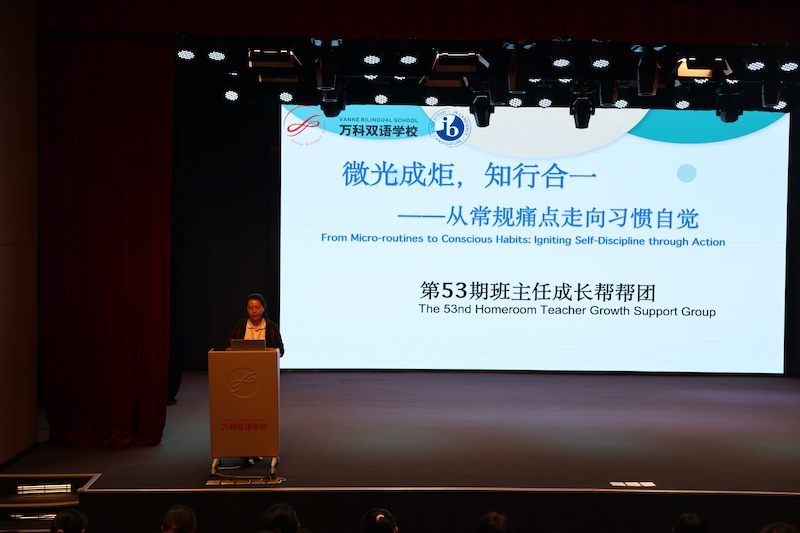
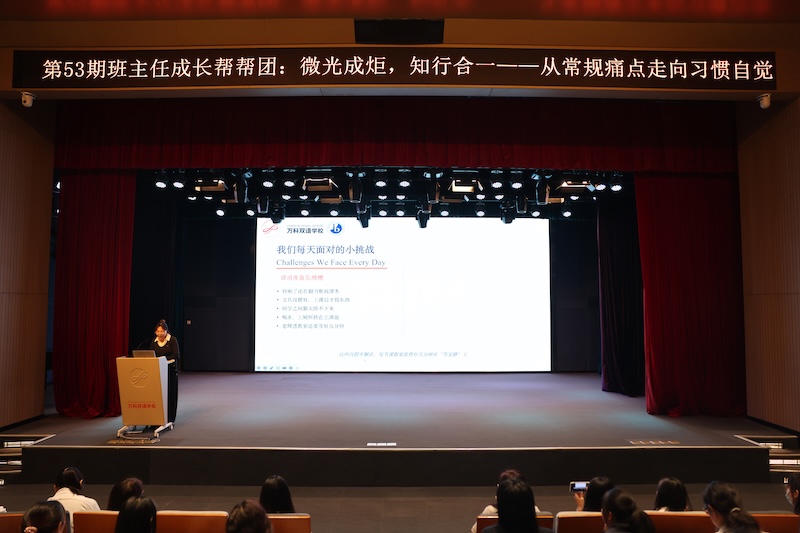
万双网讯 11月16日,万科双语学校第53期班主任成长帮帮团如期举行。本期活动以"微光成炬,知行合一——从常规痛点走向习惯自觉"为主题,紧扣"内驱力"与"学生能动性"两大核心,从书筐整理、作业收交、路队行进等日常微场景入手,进行了七项专题分享。老师们共同探讨如何放下"说教与管控",把班级常规转化为学生看得懂、做得到、能坚持的自我管理契机,让好习惯真正由内而外生长。
On November 16th, the 53rd Class Teacher Growth Support Group of Vanke Bilingual School was held as scheduled. Under the theme "From Sparks to a Flame, Knowing and Doing as One — From Routine Pain Points to Self-Driven Habits", the session centered on two core ideas: "inner drive" and "student agency". Starting with small everyday scenarios such as tidying book baskets, collecting homework, and walking in line, it featured seven themed presentations. Together, the teachers explored how to move beyond "lecturing and control" and turn classroom routines into opportunities for self-management that students can understand, act on, and sustain, so that good habits can truly grow from within.
从"被动服从"到"自主胜任": 在微小任务中体验自我价值
From "Passive Compliance" to "Autonomous Competence": Experiencing Self-Worth Through Small Tasks
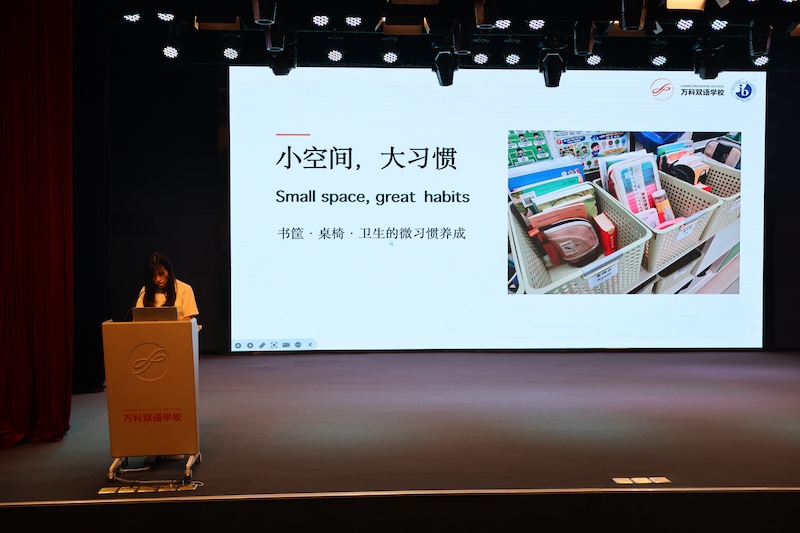
习惯的起点,不应是外在的压迫,而是内在的"我能行"。黎梦芳老师以《小空间,大习惯》为题,将整理权交还给学生。通过"分级整理卡",孩子们对照标准自己发现改进空间,从"入门整理师"晋级为"金牌收纳师",在自我检视中获得了满满的胜任感。
Habits should begin not with external pressure but with an inner sense of "I can do it". In her presentation "Small Spaces, Big Habits", Li Mengfang handed the responsibility for tidying back to her students. Using tiered tidying cards, the children checked their own work against the standards, identified areas for improvement, and advanced from "Novice Organizer" to "Gold Star Organizer", gaining a strong sense of competence through self-assessment.
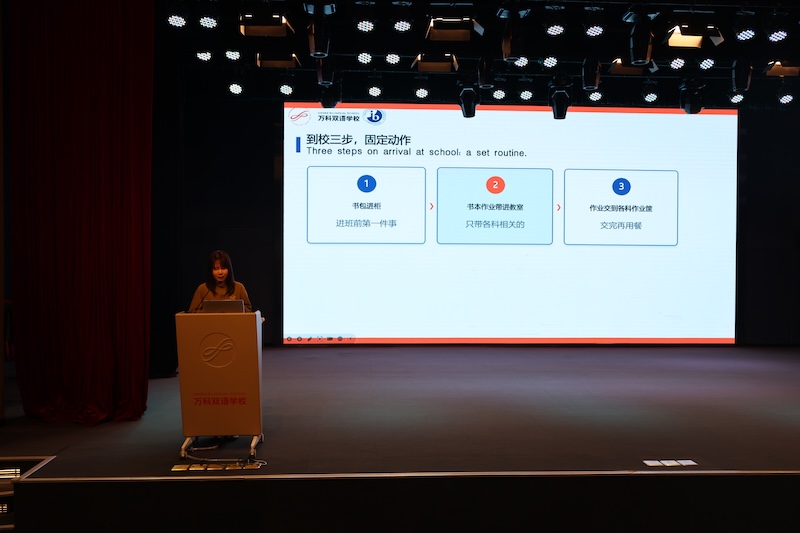
耿适意老师则将作业收交梳理为"到校三步"与可视化磁贴。交完作业自行移动磁贴的动作,让原本需要催促的流程,变成了学生自我承诺、自我负责的仪式,极大调动了学生的自主性。
Geng Shiyi, meanwhile, streamlined homework collection into "Three Steps on Arrival" with a set of visual magnets. After submitting their homework, students moved their own magnets. This simple action turned a process that once required constant reminders into a ritual of self-commitment and personal responsibility, greatly enhancing students' autonomy.
从"外部约束"到"自主管理": 在真实场景中赋能行动力
From "External Constraints" to "Self-Management": Empowering Students to Act in Real-Life Settings
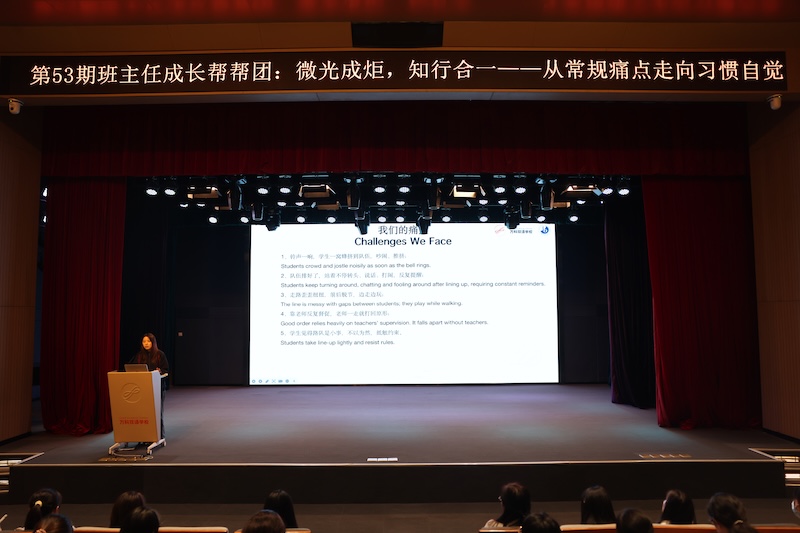
把规则变成具体的行动,才能有效激发学生的能动性。面对路队难题,吴晓怡老师不仅设立了双路队长,更强调"岗位定期轮换",让更多孩子在带队中学会关注同伴、照应集体,从"被管者"转变为"管理者"。
Rules only effectively spark student agency when they are translated into concrete actions. To address the challenges of walking in line, Wu Xiaoyi not only appointed two line leaders but also emphasized "regular rotation of the role", giving more children the chance to look out for their peers and care for the group while leading the line, and helping them shift from "those being managed" to "those who manage".
夏尚汝老师聚焦课间与课前过渡,将"铃响就座"拆解为进阶周目标,并通过提供棋类、积木等安全活动,赋予孩子在课间"自主选择"的权利。有了选择,守规矩便成了保障自身快乐的自觉行为。
Xia Shangru focused on transitions during breaks and before class, breaking "being seated when the bell rings" into progressive weekly goals. By offering safe activities such as board games and building blocks, she gave children the right to "choose for themselves" during breaks. With that choice, following the rules became a conscious way to protect their own enjoyment.
从"他律"到"自律": 在情感联结与生活协同中涵养自觉
From "External Discipline" to "Self-Discipline": Cultivating Self-Awareness Through Emotional Connection and Everyday Collaboration
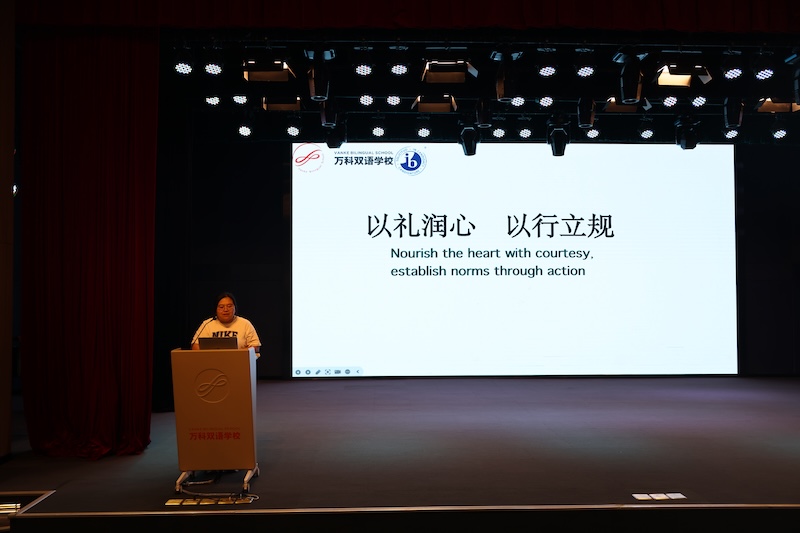
习惯的养成,需要温度的润泽。向静老师从接班时的一声"早上好"讲起,用共情表达和班级公约,唤醒孩子内心对善意与尊重的渴望。当孩子体会到主动问候能让彼此温暖时,礼仪便不再是僵硬的规定。
Habits grow best when nurtured with warmth. Xiang Jing began with a simple "Good morning" from her first days taking over the class, using empathetic communication and a class agreement to awaken children's innate desire for kindness and respect. Once children realize that a greeting they offer can warm both themselves and others, etiquette is no longer a rigid rule.
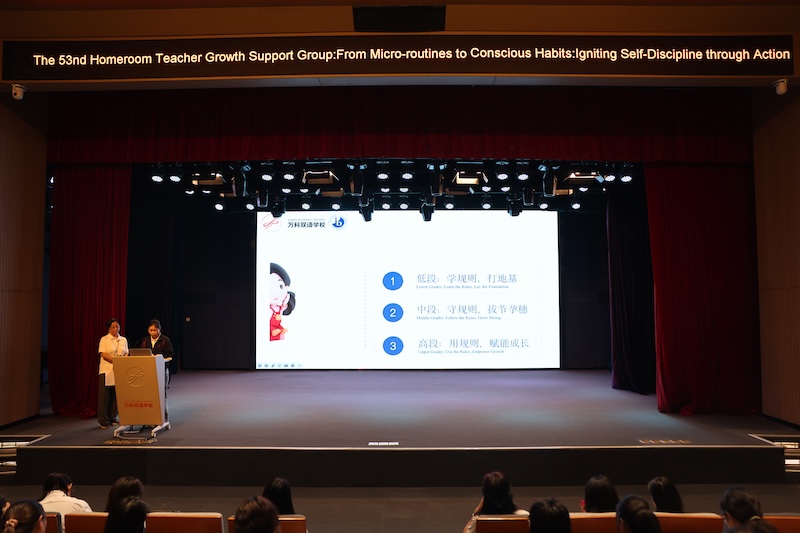
生活教师邹雪萍、毕春蕾则分享了生活区的进阶策略:低段重示范,中段重理解,高段重放权。随着年段升高,教师逐步退后,把自我规划、自我约束的空间还给高年级学生,推动习惯向"自律"跨越。
Life teachers Zou Xueping and Bi Chunlei shared a progressive strategy for the student living areas: a focus on modeling in the lower grades, understanding in the middle grades, and greater autonomy in the upper grades. As students move up the grades, teachers gradually step back, leaving older students room for self-planning, self-restraint, and helping habits evolve into self-discipline.
直面内驱力痛点:从"外在奖励"走向"内在觉醒"
Addressing the Pain Points of Inner Drive: From "External Rewards" to "Inner Awakening"
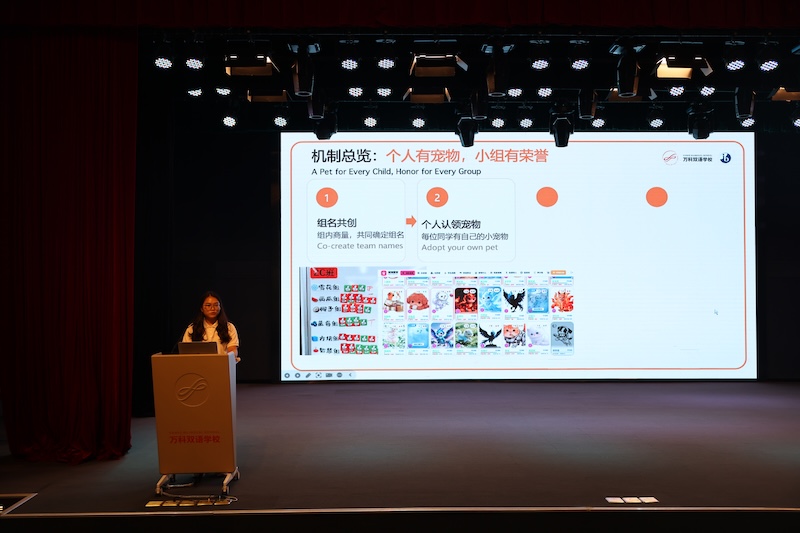
李田老师结合"班宠星球"与小组合作,坦诚探讨了积分制可能带来的副作用。她强调,外部奖励只是初期的"脚手架";当孩子逐渐养成习惯后,教师应逐步减少积分提醒,更多引导同伴之间互助,让孩子们自主思考"我们怎么帮他做好"。
Drawing on "Class Pet Planet" and group work, Li Tian spoke candidly about the possible side effects of a points-based reward system. She stressed that external rewards are only an early "scaffold"; once children have gradually formed the habits, teachers should phase out point reminders and encourage more peer support, prompting children to think for themselves: "How can we help him do better?"
碰撞与共创:从"拿来即用"到"内驱觉醒"
Exchange and Co-Creation: From "Ready-to-Use" to "Awakened Inner Drive"
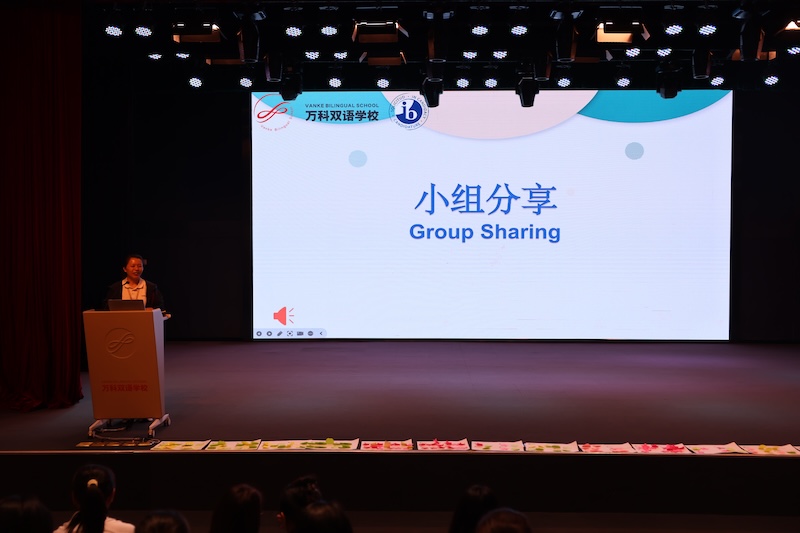
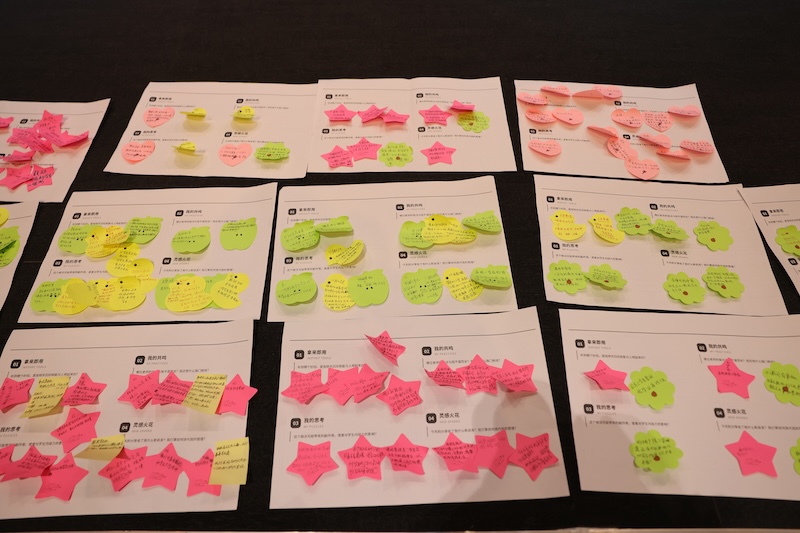
分享环节结束后,活动进入热烈的互动研讨。老师们分成4—5人一组,把听讲时的灵感写在便利贴上,分别贴到"拿来即用""我的共鸣""我的思考""灵感火花"四个区域。在思想碰撞中,老师们不仅交流了具体的实操工具,更深化了对“内驱力”的理解。
After the presentations, the session moved into a lively group discussion. Teachers formed groups of four to five, jotted down on sticky notes the ideas that came to them while listening, and posted them in four areas: "Ready-to-Use" "What Resonated with Me" "My Reflections" and "Sparks of Inspiration". Through this exchange of ideas, they not only shared practical, hands-on tools but also deepened their understanding of "inner drive".
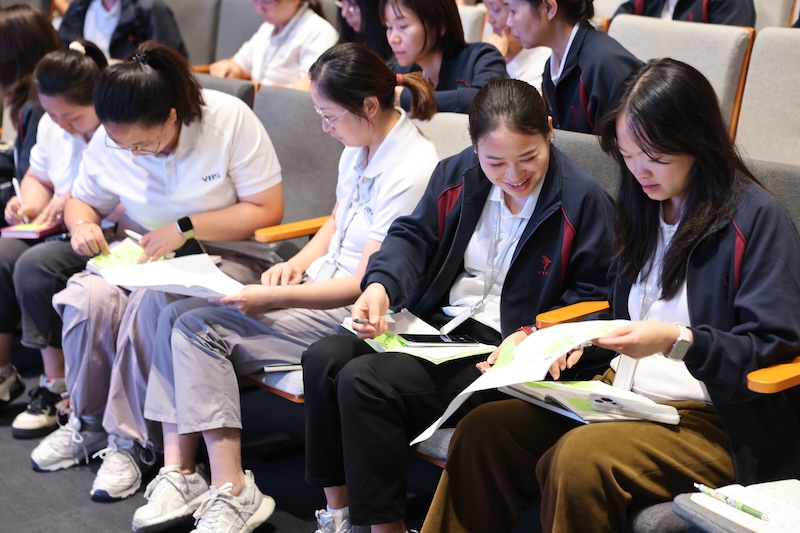
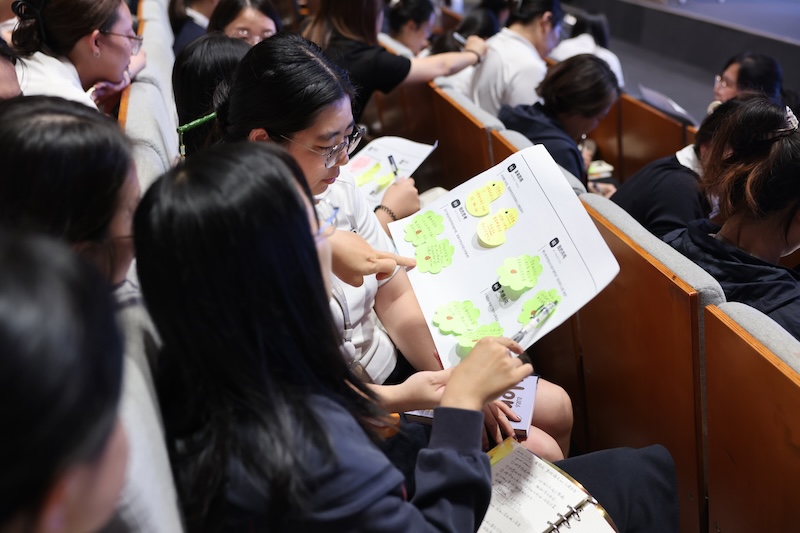
有老师计划把“分级整理标准”贴在书筐旁,让学生从“被检查”转变为“自主对照自查”;围绕吴老师的“双路队长”做法,老师们结合班情衍生出“大型活动临时设岗”“按小组增设队长,让人人轮流体验”等新思路,让更多学生获得胜任感。
One teacher planned to post the "tiered tidying standards" beside the book baskets, moving students from "being checked" to "checking themselves against the standards". Building on Ms. Wu's "two line leaders" approach, teachers adapted it to their own classes and came up with new ideas such as "creating temporary roles for major events" and "adding a line leader for each small group so that everyone takes a turn", giving more students a sense of competence.
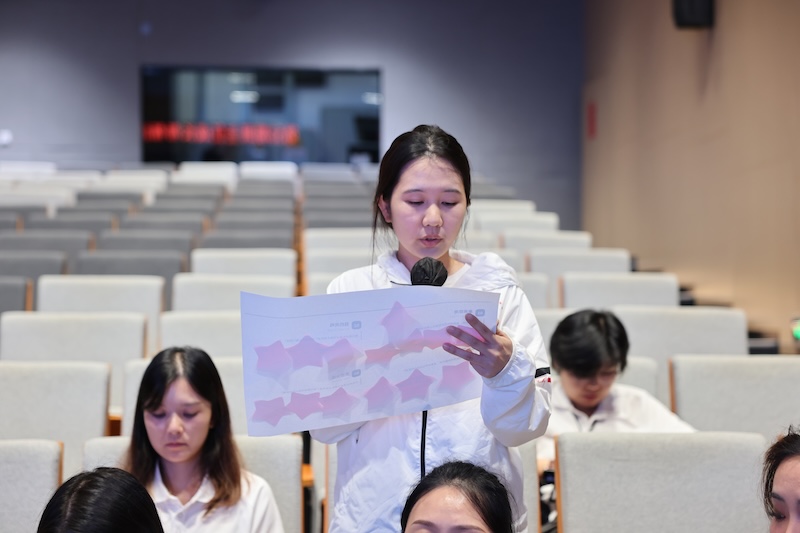
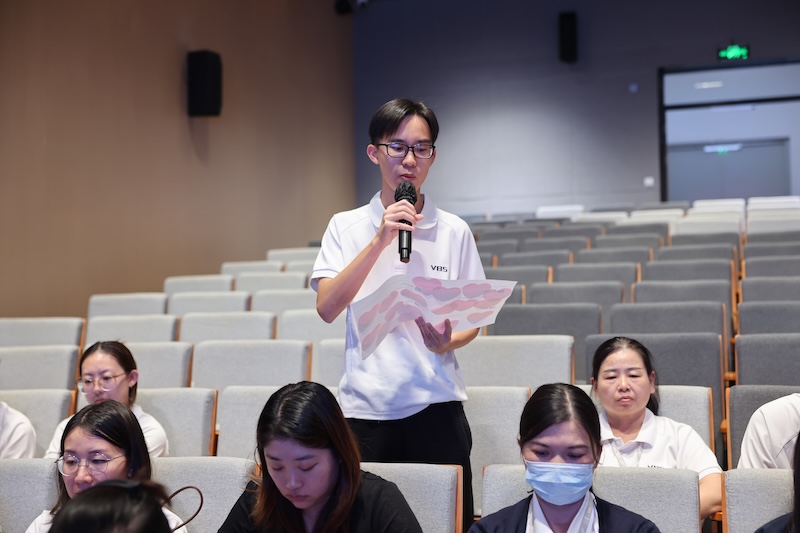
在讨论“小组激励”时,有老师敏锐地指出一个痛点:个人扣分若直接计入小组成绩,暂时落后的孩子容易遭到同伴指责甚至排斥。这一反思引发全场共鸣,老师们深刻认识到:激励机制必须灵活调整,绝不能以破坏孩子的同伴归属感为代价,这正是真正保护学生内驱力的核心。
During the discussion on "group incentives", one teacher sharply pointed out a pain point: if points deducted from an individual are counted directly against the group's score, children who are temporarily behind may be blamed or even excluded by their peers. This reflection struck a chord with everyone and led teachers to a clear realization: incentive mechanisms must be adjusted flexibly and must never come at the cost of a child's sense of belonging among peers—this is at the heart of genuinely protecting students' inner drive.
全员协同,让微光在日常中成炬
All-Staff Collaboration: Letting Sparks Grow into a Flame in Everyday Routines
活动最后,主持人余丹老师作总结。她从心理学的角度指出,一切管理工具的根本目的,都是激发学生的自主感、胜任感与归属感,最终拆掉"脚手架",让学生的内驱力真正站起来。余老师强调:习惯的养成不在一日之功,而在日常积累。班主任应主动把具体常规要求同步给科任老师和生活老师,做到全员标准一致、评价一致、持续跟进。只有所有教育者"口径一致",好习惯才不会被撕裂,才能真正沉淀为孩子受用一生的本能。
To conclude, Yu Dan, the host, gave the closing summary. From a psychological perspective, she noted that the fundamental purpose of every management tool is to foster students' sense of autonomy, competence, and belonging, so that the "scaffold" can eventually be removed and their inner drive can truly stand on its own. She emphasized that habits are not built in a day but accumulated through daily practice. Class teachers should take the initiative to share specific routine requirements with subject teachers and life teachers, ensuring consistent standards, consistent evaluation, and sustained follow-up across the whole team. Only when all educators "speak with one voice" can good habits remain intact and truly take root as instincts that serve children for a lifetime.
在学生内驱力培养方面,学校依托《万科双语学校班级和学生自主发展评价方案》,要求班主任和生活老师深入理解方案、落实到位,避免在繁琐的日常管理中"舍本逐末"。班级管理并非追求"管"出一个安静的班级,而是通过常规打磨和习惯养成,唤醒学生的内驱力,助力班级实现高质量自主发展,帮助每个孩子有目标地成长。当日常微习惯与宏观育人目标同频共振,教育才能真正发生。
In fostering students' inner drive, the school draws on the "Vanke Bilingual School Class and Student Self-Directed Development Evaluation Plan", requiring class teachers and life teachers to fully understand the plan and put it into practice, while avoiding the trap of "sacrificing the essentials for trivial details" in busy daily management. Class management is not about using control to produce a quiet class; it is about awakening students' inner drive through refining routines and building habits, helping each class achieve high-quality self-directed development and helping every child grow with a sense of purpose. Only when small daily habits resonate with broader educational goals does true education take place.
资料提供:李若琼
翻译:王子玮
翻译校对:Timothy Beers
初审:王子玮
复审:陈诺斯
终审:周金凤
排版:马葳
万双网讯 11月16日,万科双语学校第53期班主任成长帮帮团如期举行。本期活动以"微光成炬,知行合一——从常规痛点走向习惯自觉"为主题,紧扣"内驱力"与"学生能动性"两大核心,从书筐整理、作业收交、路队行进等日常微场景入手,进行了七项专题分享。老师们共同探讨如何放下"说教与管控",把班级常规转化为学生看得懂、做得到、能坚持的自我管理契机,让好习惯真正由内而外生长。
On November 16th, the 53rd Class Teacher Growth Support Group of Vanke Bilingual School was held as scheduled. Under the theme "From Sparks to a Flame, Knowing and Doing as One — From Routine Pain Points to Self-Driven Habits", the session centered on two core ideas: "inner drive" and "student agency". Starting with small everyday scenarios such as tidying book baskets, collecting homework, and walking in line, it featured seven themed presentations. Together, the teachers explored how to move beyond "lecturing and control" and turn classroom routines into opportunities for self-management that students can understand, act on, and sustain, so that good habits can truly grow from within.
从"被动服从"到"自主胜任": 在微小任务中体验自我价值
From "Passive Compliance" to "Autonomous Competence": Experiencing Self-Worth Through Small Tasks
习惯的起点,不应是外在的压迫,而是内在的"我能行"。黎梦芳老师以《小空间,大习惯》为题,将整理权交还给学生。通过"分级整理卡",孩子们对照标准自己发现改进空间,从"入门整理师"晋级为"金牌收纳师",在自我检视中获得了满满的胜任感。
Habits should begin not with external pressure but with an inner sense of "I can do it". In her presentation "Small Spaces, Big Habits", Li Mengfang handed the responsibility for tidying back to her students. Using tiered tidying cards, the children checked their own work against the standards, identified areas for improvement, and advanced from "Novice Organizer" to "Gold Star Organizer", gaining a strong sense of competence through self-assessment.
耿适意老师则将作业收交梳理为"到校三步"与可视化磁贴。交完作业自行移动磁贴的动作,让原本需要催促的流程,变成了学生自我承诺、自我负责的仪式,极大调动了学生的自主性。
Geng Shiyi, meanwhile, streamlined homework collection into "Three Steps on Arrival" with a set of visual magnets. After submitting their homework, students moved their own magnets. This simple action turned a process that once required constant reminders into a ritual of self-commitment and personal responsibility, greatly enhancing students' autonomy.
从"外部约束"到"自主管理": 在真实场景中赋能行动力
From "External Constraints" to "Self-Management": Empowering Students to Act in Real-Life Settings
把规则变成具体的行动,才能有效激发学生的能动性。面对路队难题,吴晓怡老师不仅设立了双路队长,更强调"岗位定期轮换",让更多孩子在带队中学会关注同伴、照应集体,从"被管者"转变为"管理者"。
Rules only effectively spark student agency when they are translated into concrete actions. To address the challenges of walking in line, Wu Xiaoyi not only appointed two line leaders but also emphasized "regular rotation of the role", giving more children the chance to look out for their peers and care for the group while leading the line, and helping them shift from "those being managed" to "those who manage".
夏尚汝老师聚焦课间与课前过渡,将"铃响就座"拆解为进阶周目标,并通过提供棋类、积木等安全活动,赋予孩子在课间"自主选择"的权利。有了选择,守规矩便成了保障自身快乐的自觉行为。
Xia Shangru focused on transitions during breaks and before class, breaking "being seated when the bell rings" into progressive weekly goals. By offering safe activities such as board games and building blocks, she gave children the right to "choose for themselves" during breaks. With that choice, following the rules became a conscious way to protect their own enjoyment.
从"他律"到"自律": 在情感联结与生活协同中涵养自觉
From "External Discipline" to "Self-Discipline": Cultivating Self-Awareness Through Emotional Connection and Everyday Collaboration
习惯的养成,需要温度的润泽。向静老师从接班时的一声"早上好"讲起,用共情表达和班级公约,唤醒孩子内心对善意与尊重的渴望。当孩子体会到主动问候能让彼此温暖时,礼仪便不再是僵硬的规定。
Habits grow best when nurtured with warmth. Xiang Jing began with a simple "Good morning" from her first days taking over the class, using empathetic communication and a class agreement to awaken children's innate desire for kindness and respect. Once children realize that a greeting they offer can warm both themselves and others, etiquette is no longer a rigid rule.
生活教师邹雪萍、毕春蕾则分享了生活区的进阶策略:低段重示范,中段重理解,高段重放权。随着年段升高,教师逐步退后,把自我规划、自我约束的空间还给高年级学生,推动习惯向"自律"跨越。
Life teachers Zou Xueping and Bi Chunlei shared a progressive strategy for the student living areas: a focus on modeling in the lower grades, understanding in the middle grades, and greater autonomy in the upper grades. As students move up the grades, teachers gradually step back, leaving older students room for self-planning, self-restraint, and helping habits evolve into self-discipline.
直面内驱力痛点:从"外在奖励"走向"内在觉醒"
Addressing the Pain Points of Inner Drive: From "External Rewards" to "Inner Awakening"
李田老师结合"班宠星球"与小组合作,坦诚探讨了积分制可能带来的副作用。她强调,外部奖励只是初期的"脚手架";当孩子逐渐养成习惯后,教师应逐步减少积分提醒,更多引导同伴之间互助,让孩子们自主思考"我们怎么帮他做好"。
Drawing on "Class Pet Planet" and group work, Li Tian spoke candidly about the possible side effects of a points-based reward system. She stressed that external rewards are only an early "scaffold"; once children have gradually formed the habits, teachers should phase out point reminders and encourage more peer support, prompting children to think for themselves: "How can we help him do better?"
碰撞与共创:从"拿来即用"到"内驱觉醒"
Exchange and Co-Creation: From "Ready-to-Use" to "Awakened Inner Drive"
分享环节结束后,活动进入热烈的互动研讨。老师们分成4—5人一组,把听讲时的灵感写在便利贴上,分别贴到"拿来即用""我的共鸣""我的思考""灵感火花"四个区域。在思想碰撞中,老师们不仅交流了具体的实操工具,更深化了对“内驱力”的理解。
After the presentations, the session moved into a lively group discussion. Teachers formed groups of four to five, jotted down on sticky notes the ideas that came to them while listening, and posted them in four areas: "Ready-to-Use" "What Resonated with Me" "My Reflections" and "Sparks of Inspiration". Through this exchange of ideas, they not only shared practical, hands-on tools but also deepened their understanding of "inner drive".
有老师计划把“分级整理标准”贴在书筐旁,让学生从“被检查”转变为“自主对照自查”;围绕吴老师的“双路队长”做法,老师们结合班情衍生出“大型活动临时设岗”“按小组增设队长,让人人轮流体验”等新思路,让更多学生获得胜任感。
One teacher planned to post the "tiered tidying standards" beside the book baskets, moving students from "being checked" to "checking themselves against the standards". Building on Ms. Wu's "two line leaders" approach, teachers adapted it to their own classes and came up with new ideas such as "creating temporary roles for major events" and "adding a line leader for each small group so that everyone takes a turn", giving more students a sense of competence.
在讨论“小组激励”时,有老师敏锐地指出一个痛点:个人扣分若直接计入小组成绩,暂时落后的孩子容易遭到同伴指责甚至排斥。这一反思引发全场共鸣,老师们深刻认识到:激励机制必须灵活调整,绝不能以破坏孩子的同伴归属感为代价,这正是真正保护学生内驱力的核心。
During the discussion on "group incentives", one teacher sharply pointed out a pain point: if points deducted from an individual are counted directly against the group's score, children who are temporarily behind may be blamed or even excluded by their peers. This reflection struck a chord with everyone and led teachers to a clear realization: incentive mechanisms must be adjusted flexibly and must never come at the cost of a child's sense of belonging among peers—this is at the heart of genuinely protecting students' inner drive.
全员协同,让微光在日常中成炬
All-Staff Collaboration: Letting Sparks Grow into a Flame in Everyday Routines
活动最后,主持人余丹老师作总结。她从心理学的角度指出,一切管理工具的根本目的,都是激发学生的自主感、胜任感与归属感,最终拆掉"脚手架",让学生的内驱力真正站起来。余老师强调:习惯的养成不在一日之功,而在日常积累。班主任应主动把具体常规要求同步给科任老师和生活老师,做到全员标准一致、评价一致、持续跟进。只有所有教育者"口径一致",好习惯才不会被撕裂,才能真正沉淀为孩子受用一生的本能。
To conclude, Yu Dan, the host, gave the closing summary. From a psychological perspective, she noted that the fundamental purpose of every management tool is to foster students' sense of autonomy, competence, and belonging, so that the "scaffold" can eventually be removed and their inner drive can truly stand on its own. She emphasized that habits are not built in a day but accumulated through daily practice. Class teachers should take the initiative to share specific routine requirements with subject teachers and life teachers, ensuring consistent standards, consistent evaluation, and sustained follow-up across the whole team. Only when all educators "speak with one voice" can good habits remain intact and truly take root as instincts that serve children for a lifetime.
在学生内驱力培养方面,学校依托《万科双语学校班级和学生自主发展评价方案》,要求班主任和生活老师深入理解方案、落实到位,避免在繁琐的日常管理中"舍本逐末"。班级管理并非追求"管"出一个安静的班级,而是通过常规打磨和习惯养成,唤醒学生的内驱力,助力班级实现高质量自主发展,帮助每个孩子有目标地成长。当日常微习惯与宏观育人目标同频共振,教育才能真正发生。
In fostering students' inner drive, the school draws on the "Vanke Bilingual School Class and Student Self-Directed Development Evaluation Plan", requiring class teachers and life teachers to fully understand the plan and put it into practice, while avoiding the trap of "sacrificing the essentials for trivial details" in busy daily management. Class management is not about using control to produce a quiet class; it is about awakening students' inner drive through refining routines and building habits, helping each class achieve high-quality self-directed development and helping every child grow with a sense of purpose. Only when small daily habits resonate with broader educational goals does true education take place.
资料提供:李若琼
翻译:王子玮
翻译校对:Timothy Beers
初审:王子玮
复审:陈诺斯
终审:周金凤
排版:马葳

让孩子站在未来中央
地址:深圳市龙华区民治街道华南路80号
Tel:0755-66866333
Email:p-vbs@msedu.email

办学理念:让孩子站在未来中央
培养(成长)目标:培养(成为)身体健康、人格健全、学力卓越,具有家国情怀和国际视野, 敢于创造美好未来的中国公民,为开创更美好、更和平的世界贡献力量。 地址:深圳市龙华区民治街道华南路80号 电话:0755-66866333 http://vbs.vanke.com Vanke Bilingual School, Longhua District, Shenzhen Educational Idea: Let our children experience the future. Training objectives: Our students will become citizens of China with good physical health, sound personality, excellent academic abilities, patriotism, international vision and the courage to create a better future and a more peaceful world. Address: No.80 Huanan Road, Minzhi Sub-district, Longhua District, Shenzhen Contact: 0755-66866333 http://vbs.vanke.com
学校网站二维码
QR code of school website
学校公众号二维码
QR code of school official account
