中文 | English
 新闻详情
新闻详情
新闻详情
新闻详情

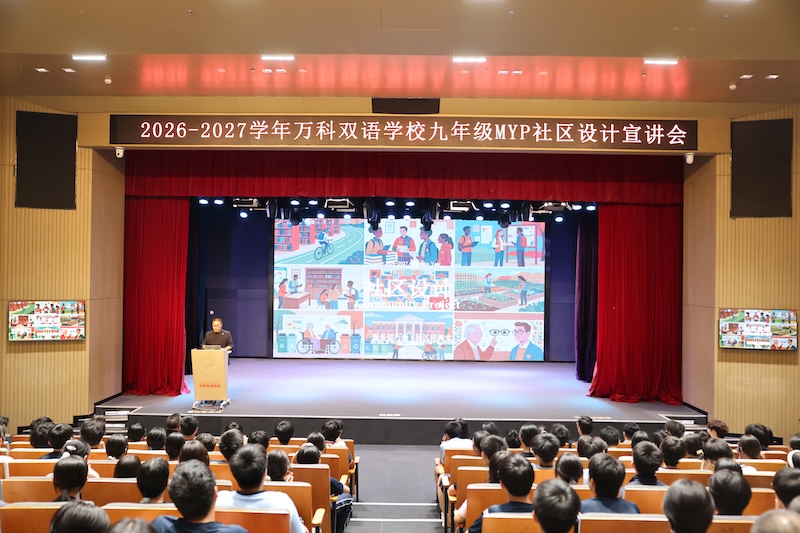
万双网讯 9月24日,为帮助九年级学生清晰了解MYP社区设计项目要求,扎实推进IB MYP项目与学校PBL项目式学习融合开展,万科双语学校全体九年级师生齐聚剧场,开展MYP社区设计专题宣讲会。杨帆校长莅临现场,七、八年级教师到场观摩学习。现场气氛热烈,学习氛围浓厚。
On September 24th, to help Grade 9 students gain a clear understanding of the requirements for the MYP Community Project and steadily promote the integration of the IB MYP programme with the school’s PBL (Project Based Learning), all Grade 9 teachers and students of Vanke Bilingual School gathered in the auditorium for a special briefing session on the MYP Community Project. Principal Yang Fan attended the event, while teachers from Grades 7 and 8 were also present for observation and learning. The event was held in a vibrant and engaging learning atmosphere.
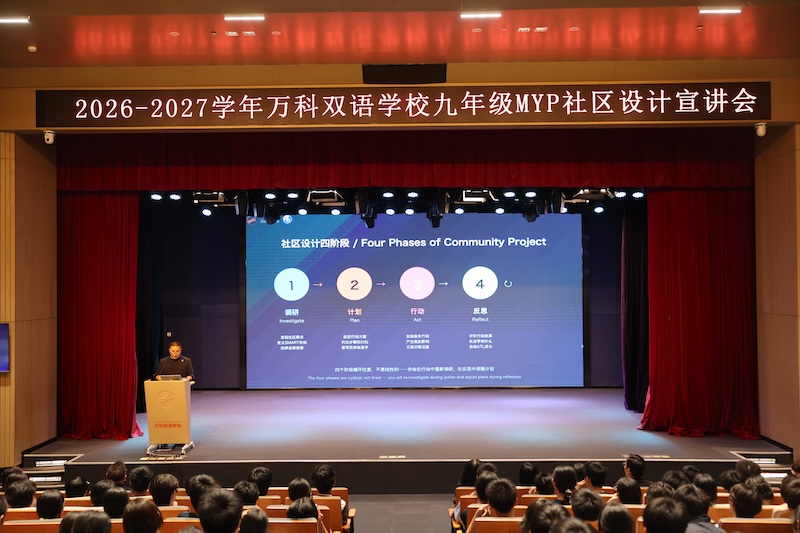
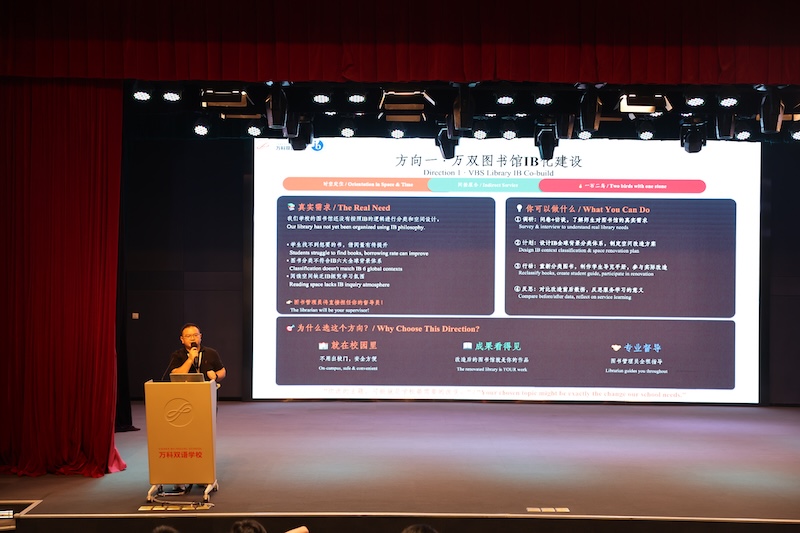
作为IB MYP项目的重要组成部分,社区设计项目强调学生在真实情境中发现问题、探究问题、采取行动并进行反思,最终以服务社区、影响他人为目标。本次宣讲会由徐海文老师主讲。徐老师结合IB学习者培养目标,从“概念体系”“全球背景”“学习方法”“服务即行动”四个层面讲解了MYP四大核心要素,并系统介绍了社区设计项目的整体实施时间规划、核心探究内涵以及项目开展的完整流程。
As a vital component of the IB MYP programme, the Community Project emphasizes that students identify, investigate and reflect on real life problems with the ultimate goal of serving the community and making an impact on others. This briefing was delivered by Mr. Xu Haiwen. Aligned with the IB Learner Profile, Teacher Xu explained the four core MYP elements: “Conceptual Understanding”, “Global Contexts”, “Approaches to Learning” and “Service in Action”. He also outlined the overall timeline, core inquiry essence and workflow of the Community Project.
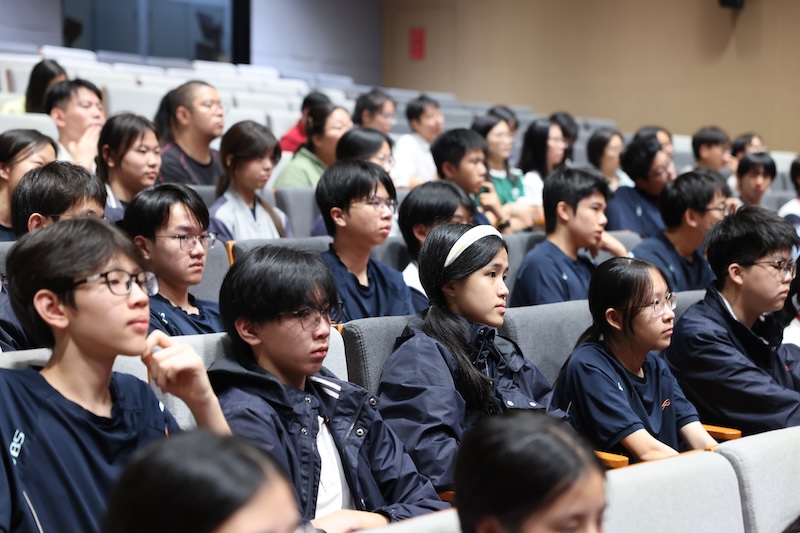
徐老师指出,社区设计不是简单的一次活动或一份报告,而是一个以学生为中心、以探究为主线、以行动为落点的学习历程。同学们需要经历选题、调研、计划、行动、反思、展示等阶段,在真实任务中锻炼研究能力、合作能力、沟通能力与自我管理能力。徐老师还就项目选题意向书填写、小组分工、过程记录、成果呈现和评价标准等作了说明,让同学们对社区设计项目的整体框架、阶段任务与评价标准有了全面、清晰的认知。
Teacher Xu pointed out that the Community Project is neither a single activity nor merely a written report. Instead, it represents a student centered learning journey guided by inquiry and realized through concrete action. Students will go through topic selection, research, planning, implementation, reflection and a final presentation to develop their research, collaboration, communication and self management skills through these authentic tasks. He also provided guidance on completing the project proposal forms, group role allocation, process documentation, outcome presentation and assessment criteria, enabling students to form a comprehensive and clear picture of the project framework, phased tasks and assessment rules.
在互动答疑环节,同学们围绕选题来源、社区需求调研、小组合作分工、时间节点安排等问题踊跃提问。徐老师结合项目要求和实际案例逐一回应,并提醒大家,好的社区设计选题往往来自生活中的真实困惑和身边社区的真实需求,既要关注个人兴趣,也要思考项目对他人、对社区、对世界的意义。
During the Q&A session, students raised active questions concerning topic sourcing, community needs research, group work division, and milestone scheduling. Drawing on the program requirements and some real world examples, Teacher Xu responded to each question. He reminded students that strong Community Project topics usually stem from real life challenges and genuine community needs. Students should balance personal interests with consideration of how their projects can benefit other people, their local communities and the wider world.
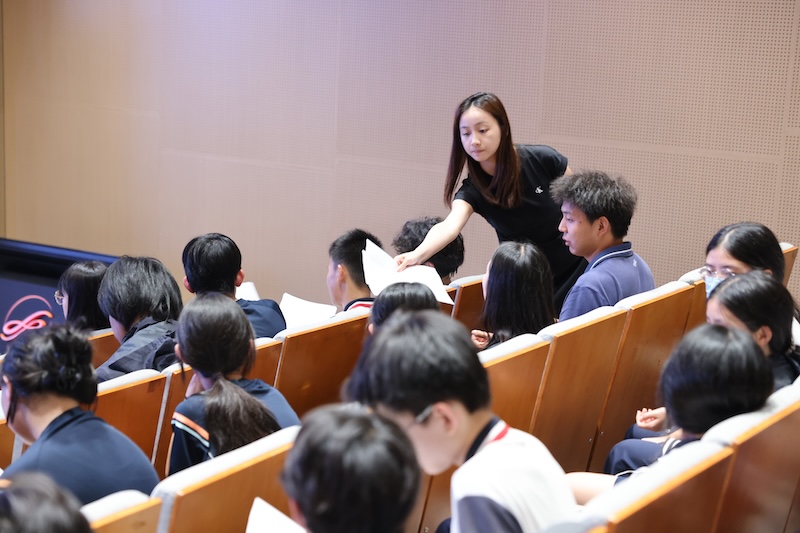
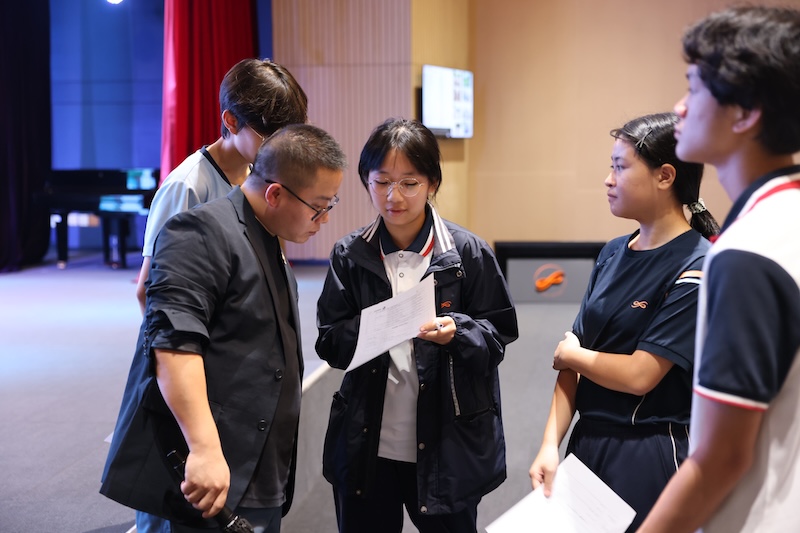
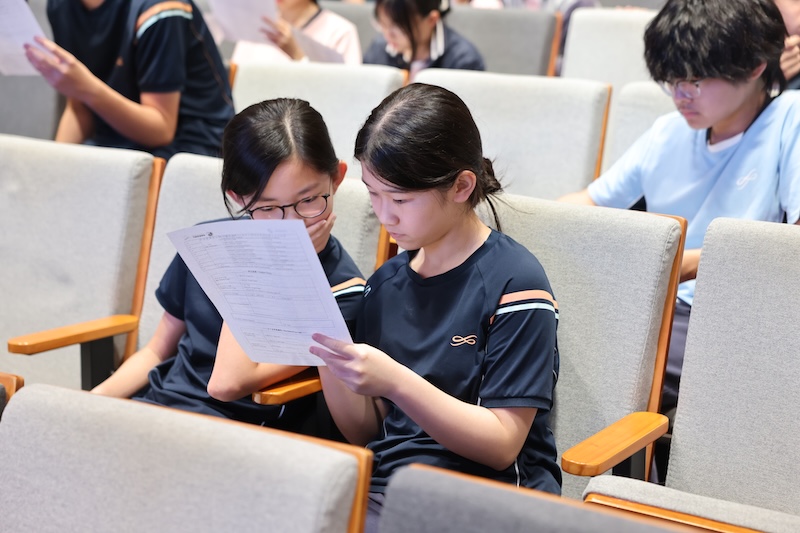
随后,同学们认真研读选题意向书,积极交流讨论,踊跃构思自己的探究选题。有的同学从校园生活出发,关注公共空间设计与学习方式;有的同学把目光投向社区环境、养老服务与垃圾分类;还有同学结合时事热点,思考科技发展、文化传承与可持续发展等议题。同学们自发组队,现场思维碰撞,氛围浓厚。
Afterwards, students carefully read the project proposal forms, engaged in lively discussions and brainstormed potential inquiry topics. Some students drew inspiration from campus life, focusing on public space design and learning styles. Others turned their attention to community environments, such as elderly care services and waste classification. Some linked their ideas with current affairs, exploring themes of technological advancement, cultural heritage and sustainable development. Students formed teams voluntarily, creating a dynamic scene of intellectual exchange.
宣讲会最后,彭平老师作总结讲话。他表示,MYP社区设计项目与我校PBL教学理念高度契合,都强调以真实问题为驱动,以学生自主探究为核心,以实践行动和反思改进为路径。他鼓励同学们跳出课本、关注真实生活,建议大家利用假期走出校园、细心观察,主动发现生活中的实际问题,多关注时事热点与全球发展,拓宽自身视野。彭平老师希望同学们在项目中学会倾听、学会合作、学会担当,在服务他人、影响社区的过程中实现自我成长。
Towards the end of the briefing, Mr. Peng Ping delivered the closing remarks. He stated that the MYP Community Project is highly consistent with the school’s PBL philosophy. Both approaches are driven by authentic problems, centered on student led inquiry, and value practical action and reflective improvement. He encouraged students to look beyond textbooks and engage with the real world, suggesting that they step outside the campus during holidays, observe carefully, identify practical issues, and follow current affairs topics and global trends to broaden their horizons. Mr. Peng hoped that students would learn to listen, cooperate and take responsibility throughout the project, achieving personal growth while serving others and bringing positive change to communities.
本次宣讲会让同学们明确了社区设计项目的方向与要求,进一步激发了大家的探究热情。未来,万科双语学校将持续深耕IB教育理念,结合学校PBL项目式教学特色,依托各类实践项目,引导学生在真实情境中探究、在实践体验中成长,培养兼具家国情怀与全球视野、勇于探索、敢于实践的新时代青少年。
This briefing helped students clarify the directions and requirements of the Community Project and further ignited their passion for inquiry. Moving forward, Vanke Bilingual School will continue to delve into IB educational philosophies. Combined with its PBL features and supported by diverse practical projects, the school will guide students to conduct inquiries with real world contexts and continue to grow through hands on experience, nurturing new era young people with a sense of national identity, global mindedness, courage to explore and willingness to act.
资料提供:彭平、王子玮
翻译:詹晰惠
翻译校对:Timothy Beers
初审:王子玮
复审:陈诺斯
终审:周金凤
排版:马葳
万双网讯 9月24日,为帮助九年级学生清晰了解MYP社区设计项目要求,扎实推进IB MYP项目与学校PBL项目式学习融合开展,万科双语学校全体九年级师生齐聚剧场,开展MYP社区设计专题宣讲会。杨帆校长莅临现场,七、八年级教师到场观摩学习。现场气氛热烈,学习氛围浓厚。
On September 24th, to help Grade 9 students gain a clear understanding of the requirements for the MYP Community Project and steadily promote the integration of the IB MYP programme with the school’s PBL (Project Based Learning), all Grade 9 teachers and students of Vanke Bilingual School gathered in the auditorium for a special briefing session on the MYP Community Project. Principal Yang Fan attended the event, while teachers from Grades 7 and 8 were also present for observation and learning. The event was held in a vibrant and engaging learning atmosphere.
作为IB MYP项目的重要组成部分,社区设计项目强调学生在真实情境中发现问题、探究问题、采取行动并进行反思,最终以服务社区、影响他人为目标。本次宣讲会由徐海文老师主讲。徐老师结合IB学习者培养目标,从“概念体系”“全球背景”“学习方法”“服务即行动”四个层面讲解了MYP四大核心要素,并系统介绍了社区设计项目的整体实施时间规划、核心探究内涵以及项目开展的完整流程。
As a vital component of the IB MYP programme, the Community Project emphasizes that students identify, investigate and reflect on real life problems with the ultimate goal of serving the community and making an impact on others. This briefing was delivered by Mr. Xu Haiwen. Aligned with the IB Learner Profile, Teacher Xu explained the four core MYP elements: “Conceptual Understanding”, “Global Contexts”, “Approaches to Learning” and “Service in Action”. He also outlined the overall timeline, core inquiry essence and workflow of the Community Project.
徐老师指出,社区设计不是简单的一次活动或一份报告,而是一个以学生为中心、以探究为主线、以行动为落点的学习历程。同学们需要经历选题、调研、计划、行动、反思、展示等阶段,在真实任务中锻炼研究能力、合作能力、沟通能力与自我管理能力。徐老师还就项目选题意向书填写、小组分工、过程记录、成果呈现和评价标准等作了说明,让同学们对社区设计项目的整体框架、阶段任务与评价标准有了全面、清晰的认知。
Teacher Xu pointed out that the Community Project is neither a single activity nor merely a written report. Instead, it represents a student centered learning journey guided by inquiry and realized through concrete action. Students will go through topic selection, research, planning, implementation, reflection and a final presentation to develop their research, collaboration, communication and self management skills through these authentic tasks. He also provided guidance on completing the project proposal forms, group role allocation, process documentation, outcome presentation and assessment criteria, enabling students to form a comprehensive and clear picture of the project framework, phased tasks and assessment rules.
在互动答疑环节,同学们围绕选题来源、社区需求调研、小组合作分工、时间节点安排等问题踊跃提问。徐老师结合项目要求和实际案例逐一回应,并提醒大家,好的社区设计选题往往来自生活中的真实困惑和身边社区的真实需求,既要关注个人兴趣,也要思考项目对他人、对社区、对世界的意义。
During the Q&A session, students raised active questions concerning topic sourcing, community needs research, group work division, and milestone scheduling. Drawing on the program requirements and some real world examples, Teacher Xu responded to each question. He reminded students that strong Community Project topics usually stem from real life challenges and genuine community needs. Students should balance personal interests with consideration of how their projects can benefit other people, their local communities and the wider world.
随后,同学们认真研读选题意向书,积极交流讨论,踊跃构思自己的探究选题。有的同学从校园生活出发,关注公共空间设计与学习方式;有的同学把目光投向社区环境、养老服务与垃圾分类;还有同学结合时事热点,思考科技发展、文化传承与可持续发展等议题。同学们自发组队,现场思维碰撞,氛围浓厚。
Afterwards, students carefully read the project proposal forms, engaged in lively discussions and brainstormed potential inquiry topics. Some students drew inspiration from campus life, focusing on public space design and learning styles. Others turned their attention to community environments, such as elderly care services and waste classification. Some linked their ideas with current affairs, exploring themes of technological advancement, cultural heritage and sustainable development. Students formed teams voluntarily, creating a dynamic scene of intellectual exchange.
宣讲会最后,彭平老师作总结讲话。他表示,MYP社区设计项目与我校PBL教学理念高度契合,都强调以真实问题为驱动,以学生自主探究为核心,以实践行动和反思改进为路径。他鼓励同学们跳出课本、关注真实生活,建议大家利用假期走出校园、细心观察,主动发现生活中的实际问题,多关注时事热点与全球发展,拓宽自身视野。彭平老师希望同学们在项目中学会倾听、学会合作、学会担当,在服务他人、影响社区的过程中实现自我成长。
Towards the end of the briefing, Mr. Peng Ping delivered the closing remarks. He stated that the MYP Community Project is highly consistent with the school’s PBL philosophy. Both approaches are driven by authentic problems, centered on student led inquiry, and value practical action and reflective improvement. He encouraged students to look beyond textbooks and engage with the real world, suggesting that they step outside the campus during holidays, observe carefully, identify practical issues, and follow current affairs topics and global trends to broaden their horizons. Mr. Peng hoped that students would learn to listen, cooperate and take responsibility throughout the project, achieving personal growth while serving others and bringing positive change to communities.
本次宣讲会让同学们明确了社区设计项目的方向与要求,进一步激发了大家的探究热情。未来,万科双语学校将持续深耕IB教育理念,结合学校PBL项目式教学特色,依托各类实践项目,引导学生在真实情境中探究、在实践体验中成长,培养兼具家国情怀与全球视野、勇于探索、敢于实践的新时代青少年。
This briefing helped students clarify the directions and requirements of the Community Project and further ignited their passion for inquiry. Moving forward, Vanke Bilingual School will continue to delve into IB educational philosophies. Combined with its PBL features and supported by diverse practical projects, the school will guide students to conduct inquiries with real world contexts and continue to grow through hands on experience, nurturing new era young people with a sense of national identity, global mindedness, courage to explore and willingness to act.
资料提供:彭平、王子玮
翻译:詹晰惠
翻译校对:Timothy Beers
初审:王子玮
复审:陈诺斯
终审:周金凤
排版:马葳

让孩子站在未来中央
地址:深圳市龙华区民治街道华南路80号
Tel:0755-66866333
Email:p-vbs@msedu.email

办学理念:让孩子站在未来中央
培养(成长)目标:培养(成为)身体健康、人格健全、学力卓越,具有家国情怀和国际视野, 敢于创造美好未来的中国公民,为开创更美好、更和平的世界贡献力量。 地址:深圳市龙华区民治街道华南路80号 电话:0755-66866333 http://vbs.vanke.com Vanke Bilingual School, Longhua District, Shenzhen Educational Idea: Let our children experience the future. Training objectives: Our students will become citizens of China with good physical health, sound personality, excellent academic abilities, patriotism, international vision and the courage to create a better future and a more peaceful world. Address: No.80 Huanan Road, Minzhi Sub-district, Longhua District, Shenzhen Contact: 0755-66866333 http://vbs.vanke.com

学校网站二维码
QR code of school website
学校公众号二维码
QR code of school official account
